


The historical journey of gambling from ancient rituals to modern practices
The historical journey of gambling from ancient rituals to modern practices
Origins of Gambling in Ancient Civilizations
The roots of gambling can be traced back to ancient civilizations, where various forms of games of chance were deeply integrated into cultural rituals and practices. The earliest evidence dates back to Mesopotamia around 3000 BC, where people used dice made from animal bones for divination and entertainment. These early games often involved elements of fate and fortune, intertwining with religious beliefs, as participants sought to appease deities or predict future events. Today, online platforms such as https://mrjonescasinos-uk.com reflect this long-standing tradition, merging history with modern gaming.

In ancient China, gambling played a significant role in society, with games such as “keno” emerging around 200 BC. This game not only served as entertainment but also contributed to governmental revenues through taxes. Similarly, the Romans enjoyed various betting activities, including chariot races and gladiatorial contests, where spectators placed wagers on the outcomes, showcasing an early form of organized betting that mirrored the excitement of modern sports betting.
The rituals surrounding gambling in these early societies highlight its dual nature: a method of entertainment and a spiritual activity. As gambling evolved, it began to reflect the social dynamics of the time, with the rich and powerful often participating more actively in these games, demonstrating the early seeds of what would grow into a multifaceted global industry.
The Evolution of Gambling in the Middle Ages
The Middle Ages marked a significant transition in the history of gambling, as the practice became more formalized and regulated in various parts of Europe. During this time, card games gained popularity, emerging from the East and spreading throughout the continent. With the introduction of playing cards in the 14th century, gambling became more accessible to the masses, leading to the establishment of taverns and gaming houses that catered to the growing demand for gambling entertainment.
Despite its burgeoning popularity, gambling faced opposition from religious authorities who viewed it as morally questionable. Various laws were enacted to curb excessive gambling, leading to a push for legitimacy. By the late Middle Ages, official gambling licenses began to emerge, allowing certain establishments to operate legally, thereby paving the way for the future development of regulated gaming environments.
Additionally, lotteries became a popular form of state-sponsored gambling, used to raise funds for public projects. The first recorded lottery in England dates back to 1569, showcasing how gambling evolved beyond mere entertainment into a significant tool for generating public revenue. This period laid the groundwork for future gambling practices, illustrating the complexities of social acceptance and regulation in the development of gambling as we know it today.
The Rise of Casinos and Modern Gambling Culture
The 17th century heralded the birth of the modern casino, with establishments such as the Casino di Venezia in Italy opening their doors to the public. This era marked a shift towards more structured gambling environments where rules were standardized, and patrons could enjoy a variety of games in a social setting. The concept of casinos rapidly spread throughout Europe, leading to the establishment of iconic venues in places like Monte Carlo, which became synonymous with luxury and high-stakes gambling.
The 19th century saw further diversification of gambling activities, with the introduction of betting on horse races and the emergence of new games such as poker, which gained immense popularity in the United States. These developments not only transformed gambling into a widespread leisure activity but also established a competitive culture, where skill and strategy played pivotal roles alongside chance.
As the world entered the 20th century, gambling underwent a significant transformation with the establishment of gaming regulations and consumer protections. This led to the legalization of casinos in various regions, particularly in Las Vegas, which became a global hotspot for gambling entertainment. The allure of casinos, combined with the glamour of live entertainment, created a modern gambling culture that continues to thrive today, attracting millions of visitors annually.
The Impact of Technology on Gambling
The advent of technology has revolutionized the gambling landscape, dramatically changing how people engage with games of chance. The introduction of online casinos in the late 1990s marked a significant shift, allowing players to gamble from the comfort of their homes. This accessibility has opened the floodgates for a more extensive audience, as players can now enjoy a vast array of games with just a few clicks, breaking geographical barriers and traditional gaming norms.
Mobile gaming has further enhanced the experience, with smartphones enabling players to gamble anytime and anywhere. This convenience has led to a surge in mobile gambling applications, providing players with instant access to their favorite games. Additionally, advancements in virtual reality and blockchain technology are poised to create even more immersive and secure gaming experiences, promising to further transform the industry in unprecedented ways.
As technology continues to evolve, so too does the regulatory landscape surrounding online gambling. Authorities worldwide are now grappling with issues of legality, fairness, and responsible gambling practices in this new digital age. The integration of advanced data analytics and machine learning is helping operators create tailored experiences for players while also promoting safer gambling environments. Ultimately, the intersection of technology and gambling reflects the industry’s adaptability and resilience in the face of changing consumer preferences.
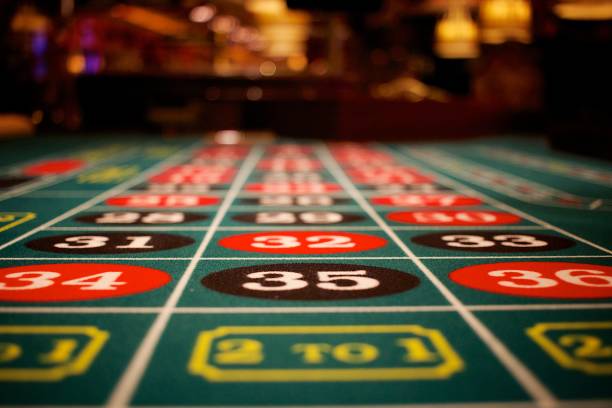
Mr. Jones Casino: A Modern Gaming Experience
In this contemporary landscape of gambling, Mr. Jones Casino stands out as a premier online gaming destination. Designed specifically for UK players, it offers a vast selection of over 6,000 premium slots and live dealer games, catering to both casual players and high rollers alike. The user-friendly interface ensures a seamless gaming experience, allowing players to navigate through various options easily, enhancing their enjoyment.
The casino is notable for its generous welcome bonus of up to £5,200, which serves as an enticing introduction for new players. With multiple payment options available, including cryptocurrency, Mr. Jones Casino provides flexibility and security, aligning with modern players’ expectations in today’s digital gambling arena. Quick payouts and an engaging loyalty program further enhance the gaming experience, encouraging players to return for more thrilling adventures.
As the gambling industry continues to evolve, platforms like Mr. Jones Casino exemplify the integration of tradition with modern technology, ensuring that players enjoy a safe, exciting, and dynamic gaming environment. Whether you are new to online gaming or a seasoned veteran, Mr. Jones Casino promises to deliver an unparalleled gambling experience that honors the rich history of this age-old pastime while embracing the innovations of the future.