


The psychology behind gambling Understanding the mental effects on players spribe games
The psychology behind gambling Understanding the mental effects on players spribe games
The allure of gambling
The psychology behind gambling reveals a complex interplay of emotions, motivations, and cognitive biases. One of the primary attractions of gambling is the thrill it brings. Many players seek the adrenaline rush that accompanies the risk of losing or winning. This excitement is heightened in environments like online casinos, where immersive graphics and engaging gameplay, such as those offered by spribe games, enhance the experience.
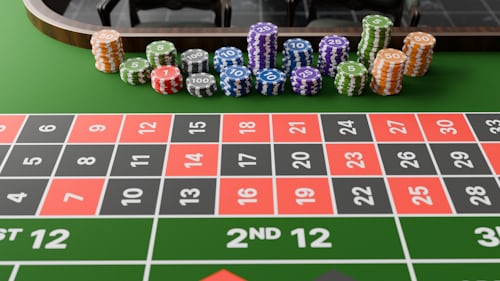
Additionally, the prospect of winning, especially in large amounts, taps into players’ desires for financial gain and social status. The potential to experience a life-changing jackpot can be a powerful motivator, leading individuals to overlook the inherent risks associated with gambling.
The role of cognitive biases
Cognitive biases play a significant role in gambling behavior. Players often exhibit the «illusion of control,» where they believe they can influence the outcome of random events. This mindset can lead to overconfidence in their gambling strategies, which often fuels continued play, even in the face of losses. The games available, designed to be engaging and interactive, can amplify these biases, making players feel more in control than they actually are.
Another common bias is the «gambler’s fallacy,» the belief that past events can influence future outcomes in games of chance. For instance, a player may think that a particular slot machine is «due» for a win after a series of losses. These misconceptions can lead to irrational decision-making and persistent gambling behavior.
The impact of rewards and reinforcement
The psychological effects of rewards are profound in gambling. The intermittent reward schedule, where players receive wins unpredictably, can create a powerful reinforcing effect. This phenomenon is similar to what is observed in addictive behaviors, where the anticipation of winning triggers the brain’s pleasure centers. Many online platforms also often employ this mechanism to keep players engaged, as the uncertainty of when a reward will come can lead to prolonged play.
This reinforcement can create a cycle of chasing losses, where players feel compelled to continue gambling to regain what they have lost. The emotional highs of winning combined with the lows of losing can make it challenging for individuals to break free from the cycle of gambling.
The social aspects of gambling
Gambling is often a social activity, which adds another layer to its psychological appeal. Many players enjoy the camaraderie and shared experiences that come with participating in games, whether in physical casinos or online platforms. The social interaction can enhance the enjoyment of the games offered by Spribe, making them not just a means of potential financial gain but also a way to connect with others.
Furthermore, peer influence can significantly impact gambling behavior. The desire to fit in or impress friends may lead individuals to gamble more than they typically would. Social norms surrounding gambling can normalize excessive play, contributing to the development of problematic gambling habits in susceptible individuals.

Spribe games and responsible gaming
Understanding the psychology behind gambling is crucial for promoting responsible gaming practices. Spribe places a strong emphasis on providing a safe and fair gaming environment, ensuring transparency in gameplay. The platform offers tools that encourage players to engage responsibly, such as setting deposit limits and providing self-exclusion options. Spribe games focus on balancing entertainment with player welfare, making sure that enjoyment does not come at the expense of responsible behavior.
By fostering an awareness of the mental effects of gambling, Spribe aims to create a positive gaming experience that prioritizes the well-being of its players. This commitment to responsible gaming can help mitigate the potential negative psychological impacts while still delivering the thrill and excitement that players seek in online gaming experiences.